
By Catherine Bassick, Bassick Advisors at Douglas Elliman — San Francisco and Boston real estate, trusts and estates. Published October 1, 2026.
October is the season for haunted houses, but the scares that actually cost homeowners money aren’t the ones with sheets over them. They’re the burst pipe at 11 PM, the uninsured roof leak, the frozen sprinkler line nobody shut down in time.
With the weather turning, this is exactly the right time to get ahead of them. And if you’ve just purchased a home, there are a few things I recommend doing before you even move in.

Six Things to Do Before You Move Into Your New Home
1. Change the locks on every exterior door
You have no idea how many copies of those keys exist: former owners, their dog walker, a contractor from three years ago, a neighbor who “forgot to give theirs back.” A house full of strangers’ keys is its own kind of haunted.
Change the locks on every exterior door, including the garage entry and any side doors, before you move in. It’s a relatively small expense for complete peace of mind.
2. Change every toilet seat
I know. Just do it.
It’s inexpensive, it takes ten minutes per bathroom, and you’ll never wonder, or shudder, about it again. New home, fresh start, all the way down to the details. Where every detail matters.
3. Deep clean. Hire a professional. It’s worth it
Even if the sellers left the house spotless, hire a professional to deep clean before you unpack. Pros get the inside of the oven, the tops of the cabinets, the baseboards, the window tracks and every cobweb-prone corner you won’t have time or energy for once the furniture is in.
Starting with a truly clean house changes how the whole move feels.
4. Learn where your main water and gas shutoffs are
This is the one people skip, and it’s the one that can cost them.
When a pipe bursts at 11 PM, you don’t want to be Googling “where is my water shutoff” with water pooling in the hallway like something out of a bad horror movie.
Find the shutoffs, make sure everyone in the household knows where they are, and tag them clearly. While you’re at it, locate the electrical panel and make sure the circuits are properly labeled.
Five minutes of preparation can save an enormous amount of damage later.
5. Meet your neighbors and get their phone numbers
Knock on the doors on either side and across the street. Introduce yourself and swap numbers.
Neighbors are your early-warning system. They’ll tell you about the street’s quirks, warn you about package thieves and keep an eye on things when you travel. Far more useful than any motion-sensor pumpkin.
In twenty years of selling homes, I’ve never met a homeowner who regretted knowing their neighbors.
6. Start a house binder and put the emergency numbers in it first
Before anything else goes in, write down the emergency numbers for your new town and state, along with the non-emergency numbers for police, fire and animal control.
Then add the people you may need when something goes wrong: your plumber, electrician, HVAC company, roofer, locksmith, alarm company, veterinarian and nearby hospital or urgent care.
Keep the binder somewhere you can grab it in ten seconds. A kitchen drawer is better than a cloud folder you’d need to unlock your phone to find. During an actual emergency, flipping to a page beats scrambling to look up a number while your heart is pounding.
Then keep building on it.
Your house binder should include your homeowners insurance policy and agent contact, utility accounts, school information, HOA documents and rules, warranties for major systems and appliances, closing documents, and a simple record of improvements and repairs with receipts and dates.
I would also include a page showing exactly where the water, gas and electrical shutoffs are located.
One binder. One place. Nothing to dig for during a crisis, an insurance claim or, years from now, when it’s time to sell.
Once you’re moved in, the responsibility changes from preparing your home to protecting it. And that’s where some of the most expensive surprises can hide.
The Skeletons in Your Closet (and Walls, and Attic)
Here’s the truth I tell every client: homeowners don’t lose resale value because of paint colors or dated kitchens. The bigger problems are often the skeletons hiding behind the walls and on top of the roof: the unglamorous maintenance nobody wants to think about until something goes wrong.
When I walk into a listing appointment and find deferred maintenance, I know the inspector is likely to find it too, and I know it may become part of the buyer’s negotiations.
These are the things I tell homeowners never to cut corners on, especially heading into the colder months:
Roof and gutters
Clean the gutters. Clogged gutters can contribute to water intrusion and hidden damage, and they’re exactly the kind of thing that looks perfectly fine from the ground until someone gets up there and takes a closer look.
HVAC system
Service it regularly. A well-maintained system can last longer, operate more efficiently and is far less likely to become an unpleasant surprise during a home inspection.
Change your air filters regularly
This may be one of the highest-return five minutes in homeownership. A clogged filter restricts airflow, forces the system to work harder and can contribute to higher energy use, unnecessary wear and poor indoor air quality. Put it on your calendar and keep spare filters in the house so there’s never an excuse.
Plumbing
Small drips become big problems. If a faucet drips or a toilet runs, fix it now, not “eventually.” Eventually is how a haunted house gets its reputation.
Fix every leak immediately and have significant leaks professionally inspected
Water you can see may only be part of the story. A professional can determine whether moisture has reached walls, floors or other areas you can’t see. Water damage and mold can be expensive problems and may later become disclosure issues when you sell.
Check your lawn sprinklers and schedule the end-of-season shutdown before the first freeze
In colder climates, water left in sprinkler lines can freeze, expand and damage pipes and sprinkler heads. Put winterization on the calendar every year rather than waiting for the weather forecast to remind you.
Indoor air quality
Whether it’s a whole-house system or individual units, clean air matters, and indoor air quality is increasingly something homeowners and buyers pay attention to.
Water source and filtration
Know what you’re drinking. If you’re on well water, have it tested as appropriate. If you’re on municipal water and you’re concerned about its taste or quality, investigate the source and consider whether filtration makes sense for your home.
Home and fire insurance: reviewed, not just purchased
This is the one that keeps me up at night long after the trick-or-treaters have gone home.
Too many homeowners buy a policy, put it in a drawer and never look at it again. Review your coverage annually with your insurance professional. Ask whether your replacement-cost assumptions reflect current construction costs and make sure you understand the coverage, exclusions and deductibles that apply to risks relevant to your property, including wildfire, flood and earthquake where appropriate.
Insurance isn’t just paperwork. It is part of the financial foundation protecting your home.
Why I’m Telling You This
My job as your real estate advisor isn’t simply to help you buy or sell a house. It’s to help you protect one of the largest financial assets you may ever own.
Every item on these lists comes from the same basic principle: small problems are almost always easier and less expensive to address before they become big ones.
The move-in checklist protects you from day one. Good maintenance habits help protect your property and your equity for as long as you own the home, and they can make an enormous difference when the day eventually comes to sell.
A well-maintained home generally presents better, inspects cleaner and gives a seller fewer problems to resolve when a buyer begins looking closely.
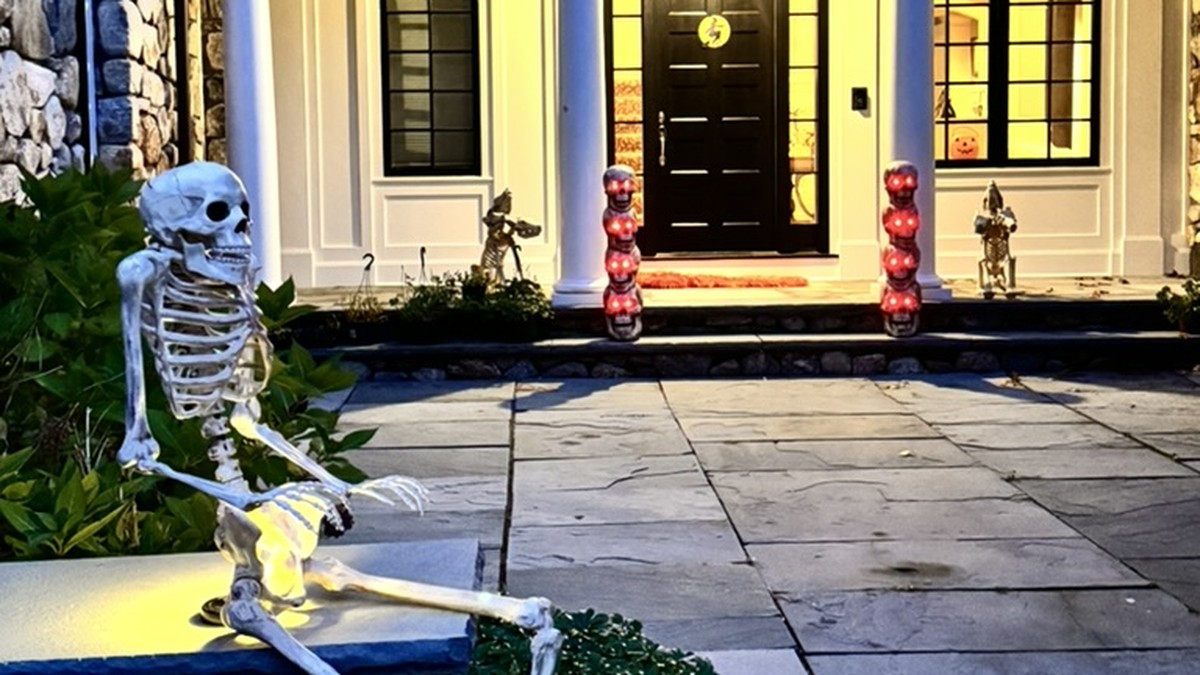
This October, make sure the only scares in your house are the ones you put out on the porch.
The Bassick House Binder
Would you like a Bassick House Binder for your home?
Let us know and we’ll be happy to provide one to help you keep your important home information, emergency contacts, insurance details, warranties and maintenance
records organized and close at hand.
Download the printable Bassick House Binder (PDF). To request a printed binder, contact Catherine Bassick.
Curious what your home is worth in today’s market? Get a confidential home valuation. No obligation, just real numbers.
Visit BassickAdvisors.com to request your confidential valuation.
About the author: Catherine Bassick leads Bassick Advisors at Douglas Elliman, serving San Francisco and Boston in residential real estate with a focus on trusts and estates.
Where every detail matters.






Leave a Reply